Heating Element Replacement in Wheaton, IL
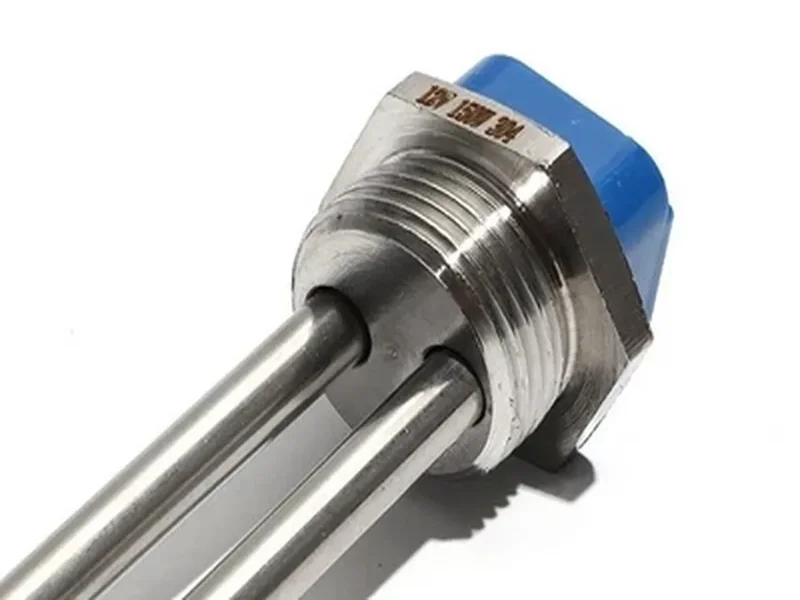
What Heating Elements Do
Electric water heaters heat water with two immersion elements — one upper, one lower — that work in sequence under the control of their thermostats. Each element is a metal loop sheathed in a corrosion-resistant jacket, threaded into the side of the tank and surrounded by water. When energized, it heats the water directly. Elements are wear items: they operate in hot, mineral-laden water for years, and eventual burnout is normal, not a defect.
When an element fails, the pattern of your hot-water loss tells the story. A failed upper element usually means no hot water at all. A failed lower element means the top of the tank still heats — you get hot water, but it runs out in a fraction of the normal time. Knowing which pattern you have helps us arrive with the right parts.
Signs Your Heating Element Needs Replacement
- No hot water with the breaker on (upper element failure)
- Hot water runs out very quickly (lower element failure)
- Lukewarm water that never gets fully hot
- The breaker trips repeatedly — a failing element can short to ground
- A humming or sizzling sound from the tank during heating
- Visible scale crust on the element when inspected
- An element that tests open or shorted with a multimeter
- Discolored or flaking water with a metallic taste from a deteriorating element sheath
Common Causes of Element Failure
Sediment is the leading killer. Minerals settle on and around the lower element, insulating it so it overheats itself trying to heat through the scale — the sheath cracks, water reaches the internal coil, and the element shorts or burns open. Dry-firing is the fastest killer of all: energizing an element before the tank is completely full destroys it in seconds, which is why any element replacement must be followed by a verified full refill before power is restored. Age and thermal cycling fatigue the sheath over years. A failed thermostat that sticks closed overheats the element beyond its design. And in areas with aggressive water chemistry, the sheath itself corrodes through.
Our Heating Element Replacement Process, Step by Step
1. Electrical diagnosis
Breaker off and verified dead with a meter. We remove the access panels and test both elements and both thermostats with a multimeter — resistance across the element terminals, continuity to ground. This pinpoints the failed element and catches the companion failures (a bad thermostat that killed the element) that cause repeat call-backs when missed.
2. Drain-down
The tank is drained below the element level — effectively a full drain for the lower element. We confirm the TPR valve opens so the tank vents.
3. Extraction
The failed element is unthreaded with an element wrench. Heavily scaled elements can be difficult to remove; we work them out without damaging the tank threads, and inspect the drained sediment level while we are in there — a tank full of hardened sediment changes the repair-vs-replace conversation.
4. Correct-spec replacement
We install an element matching the original wattage and voltage — never a higher-wattage element "for faster recovery," which overloads the wiring and breaker. The gasket is replaced with the element (reusing gaskets is how slow weeps start), threads get appropriate sealant, and the element is torqued to spec.
5. Refill verification — the critical step
We refill with hot taps open until water runs air-free, then confirm the tank is completely full. Only then is the breaker restored. Dry-firing a brand-new element is the most common DIY disaster in water heater repair, and we treat this step as sacred.
6. Heat-cycle test
We run both elements through their cycles, verify current draw is normal, confirm the thermostats hand off correctly, and check outlet temperature at a tap.
Equipment and Materials
We stock heating elements in the common residential wattages and voltages (typically 4500W/240V, plus 3500W and 5500W variants), always with fresh gaskets. Tools include element wrenches, multimeters, non-contact voltage testers, clamp ammeters for current-draw verification, thermometers, hoses for draining, and thread sealant. Thermostats ride along on the truck because element and thermostat failures are so often linked.
Safety and Precautions
Two rules dominate electric heater work: verify power is dead with a meter before touching terminals (240 volts across the chest is lethal, and mislabeled breaker panels are common), and never energize an element in a partially filled tank. We also check the wiring and connections for heat damage — a failing element that shorted can cook its wire terminals, and those need repair too. The access-panel insulation goes back exactly as found; it is part of the heater's safety and efficiency design, not packing material. Homeowners should never replace an element with a higher wattage than the original — the circuit was sized for the factory spec.
Local Factors: Wheaton and DuPage County
Electric water heaters are common in Wheaton's townhome and condo communities and in all-electric homes scattered through DuPage County, and sediment-driven lower-element failure is the signature service call. The area's mineral-bearing municipal water builds the sediment layers that insulate and overheat lower elements, particularly in tanks that have never been flushed. When we replace a lower element locally, we almost always recommend flushing at the same time — installing a new element into inches of hardened sediment is asking it to fail the same way.
Winter puts electric heaters under maximum stress here: incoming water temperatures drop sharply, recovery times lengthen, and elements run longer cycles. A weak element that survived summer often fails in January, which is why no-hot-water calls spike with the first sustained cold. Many Wheaton electric installations are in finished basements or utility closets with limited working room around the tank sides — element replacement needs side clearance for the wrench, and we plan for tight-access work as a matter of course. Illinois electrical code governs the circuit and disconnect requirements, and we verify the existing wiring is correct for the element spec before restoring power.