Water Heater Drain Valve Leaking? Replacement Guide
Published 2026-10-10
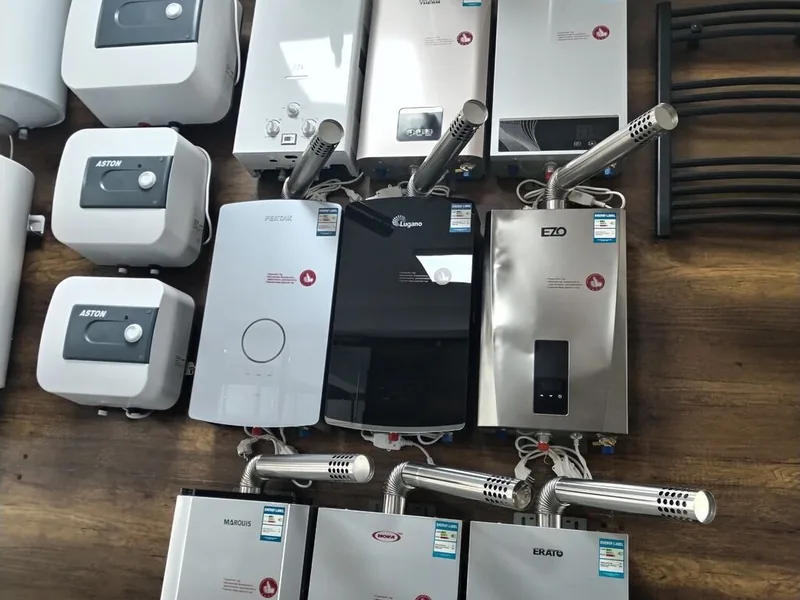
That little spigot near the bottom of your water heater — the drain valve — has one job: let water (and sediment) out when the tank needs flushing or draining. It's also one of the most common leak points on aging heaters, especially in Wheaton where hard-water sediment clogs and corrodes valves from the inside. Here's how to recognize a failing drain valve, what replacement involves, and when the valve is telling you something bigger.
Why Drain Valves Leak
Most older heaters shipped with cheap plastic drain valves. Years of heat cycling make the plastic brittle; sediment packs into the valve body and prevents it from seating fully; and the first time someone forces a seized valve open for a flush, the handle or stem cracks. The result is a slow weep that never quite stops — or, in the worst case, a valve that snaps off in your hand and turns a maintenance task into a geyser. Brass valves fail less often, but even brass can clog with scale or develop a dripping stem packing over time.
Signs Your Drain Valve Needs Replacement
- A steady drip or weep from the valve spout or around the valve threads, even when the valve is fully closed
- White or green crust built up around the valve — mineral deposits left by evaporated drips
- A handle that won't turn, turns with a crunch, or spins without opening — the stem is seized or stripped
- The valve leaks only when open and won't reseat afterward — sediment is holding it open
- Visible cracks in a plastic valve body, or a handle that's already broken off
A quick test: with the tank pressurized, dry the valve thoroughly and press a dry paper towel against the spout for a minute. Any wetness means it's passing water and needs attention.
What Replacement Involves
Replacing a drain valve is straightforward in principle: shut off the water and power/gas, relieve tank pressure, drain the tank below the valve level (or fully, if it's heavily sedimented), unscrew the old valve, and thread in the new one with proper thread sealant. In practice, there are complications worth knowing about:
- Seized valves may need penetrating oil, heat, or careful leverage — and excessive force on a corroded tank fitting can crack the tank's threaded port, which turns a valve job into a replacement.
- Heavy sediment can block the valve opening entirely; the tank may need to be flushed or even have sediment broken up before the new valve seats properly.
- Plastic-to-brass upgrades are the standard move. A full-port brass ball valve drains faster, resists clogging, and won't snap off — it's the valve the heater should have shipped with.
Our drain valve replacement service includes the brass ball-valve upgrade, a sediment assessment while the tank is open, and a test flush to make sure the new valve actually flows.
When a Leaking Drain Valve Means More Than a Valve
Sometimes the valve is the messenger, not the problem. Consider the bigger picture if:
- The tank is 10+ years old and has never been flushed — the sediment that killed the valve has been attacking the tank bottom too.
- There's rust around the valve port or the tank jacket near the valve — external corrosion suggests the tank wall is thinning.
- The hot water is discolored or the tank rumbles — signs of advanced internal deterioration.
- Multiple fittings are weeping, not just the drain valve — systemic corrosion, not an isolated part failure.
In these cases, replacing the valve buys time but not much of it. Our technician will tell you honestly which situation you're in — and if the tank is done, our guide to repair vs. replace walks through the decision.
Preventing the Next Drain Valve Failure
Two habits keep drain valves alive: flush the tank annually so sediment never packs the valve body, and exercise the valve gently once a year — open and close it briefly during the flush so it never seizes. Never force a stuck plastic valve; if it won't turn with moderate hand pressure, that's a replacement job, not a persuasion project. And if your heater still has its original plastic valve, proactively upgrading to brass during any service visit is cheap insurance against a 2 a.m. snap-off.
A dripping drain valve is one of the most fixable water heater problems there is — when the tank behind it is sound. Call Water Heater Leak Repair Rescue at (833) 713-2101 and we'll replace the valve, check the tank's overall health while we're in there, and leave you with a heater that drains the way it should.
Cost Factors for Drain Valve Replacement
A drain valve replacement is among the most affordable water heater services — the part is inexpensive and the job is quick when the tank cooperates. What moves the price is condition: a heavily sedimented tank takes longer to drain, a seized valve takes longer to extract, and if the tank's threaded port is damaged, the job changes character entirely. The biggest cost variable is really the diagnosis that comes with it — a good technician uses the open tank to assess sediment depth, anode rod condition, and shell integrity, which is information worth having. Ask for that assessment explicitly; it's the difference between a valve swap and a genuinely useful service visit. For how part-repair costs fit into the bigger picture, see what affects water heater repair costs.
The drain valve is the most ignored part of a Wheaton water heater — a cheap plastic spigot at the base of the tank that nobody touches for a decade, then discovers it has seized solid the one afternoon it's needed. Factory-installed plastic valves are the usual culprit: years of Lake Michigan mineral sediment settle right at the bottom of the tank, packing around the valve seat until the handle snaps off or the valve weeps every time you look at it. When a Wheaton homeowner finally decides to flush the tank, the drain valve is often the first thing that fails.
Where you drain matters in a Wheaton basement. Many homes have a floor drain near the heater or a laundry tub within hose reach, and those are the ideal targets. Homes without a nearby drain usually route a garden hose to a utility sink or, in a pinch, to the sump pit — never to the yard in winter, when 120-degree discharge water can flash-freeze on walkways and create a sheet of ice by morning. If your heater sits in a finished basement with no floor drain, plan the hose route before you open the valve, not after.
Draining and Flushing Through an Illinois Winter
Timing your flush for the fall, before heating season, pays off in Wheaton. Inlet water in January and February arrives at around 40 degrees, so the heater works hardest all winter and sediment bakes onto the tank bottom fastest during those months. A fall flush clears the summer's accumulation and gives the burner or elements a clean surface for the heavy season. It also lets you discover a failing drain valve on your schedule — during a calm Saturday flush — rather than during an emergency.
When the plastic valve does give up, replace it with a full-port brass ball valve rather than another plastic gate valve. The brass valve drains faster, resists mineral packing, and survives the annual flushes that actually protect a tank on Wheaton's moderately hard water. The swap itself is straightforward on a drained tank, but the threads on an older heater can be corroded, and overtightening a new valve into a weakened tank spud can crack the fitting — which is why many homeowners have the replacement done during a scheduled maintenance visit instead of as a standalone DIY project.