How to Shut Off Your Water Heater in an Emergency
Published 2026-10-10
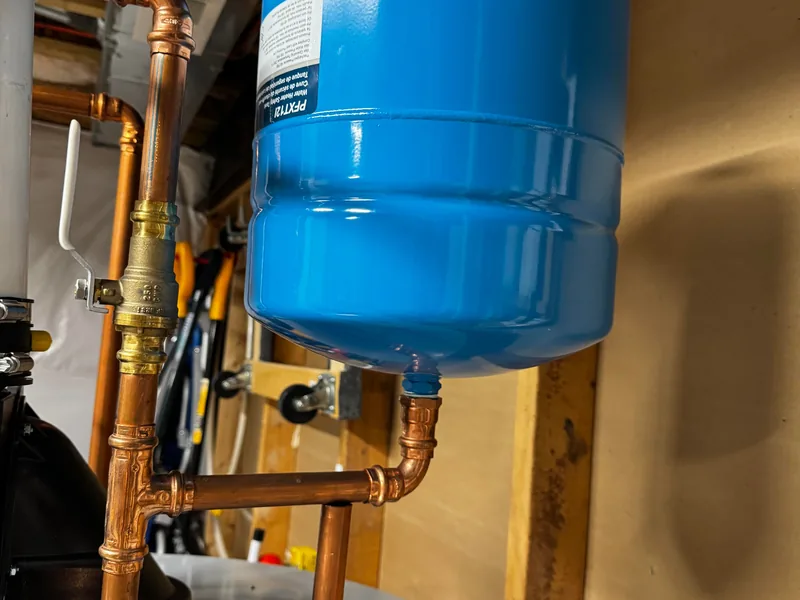
When a water heater fails — spraying fitting, burst tank seam, flooding basement — the minutes before help arrives are yours to manage. Knowing exactly how to shut your unit down safely turns a potential disaster into a contained mess. This guide covers both gas and electric heaters, because doing the wrong shutdown for your fuel type can make things worse. Read it now; you'll be glad you did at 2 a.m.
First: Identify Your Heater Type
Look at the front of the unit. A gas heater has a gas control valve box near the bottom with a dial (OFF / PILOT / ON), a pilot viewing window, and a vent pipe running up from the top. An electric heater has no gas valve and no vent — just a power cable entering the top and usually two access panels on the side. If you rent or just moved in, check now rather than during an emergency. Snap a phone photo of the controls and the rating plate; you'll reference it under stress.
Shutting Down a Gas Water Heater
- Stop the water: Turn the cold-water inlet valve (on the pipe entering the top of the heater) clockwise until it stops. Lever-style ball valves: turn the handle perpendicular to the pipe. If it's seized, use the main house shutoff instead.
- Stop the gas: Turn the gas control dial to PILOT (keeps the pilot lit, stops main burner) or OFF (kills everything, safest if water is near the burner). Don't force a stuck dial.
- Leave the area if you smell gas — that rotten-egg odor means unburned gas. Get out, then call your gas utility's emergency line from outside.
Note: turning the dial to PILOT leaves a tiny flame burning — fine if the area is dry. If water has reached the burner compartment, go full OFF.
Shutting Down an Electric Water Heater
- Kill the power FIRST: At the breaker panel, switch off the breaker marked for the water heater. If it isn't labeled, switch off the double-pole 30-amp breaker feeding the heater — when in doubt, call us at (833) 713-2101 and we'll help you identify it. Never work around an electric heater with the power on.
- Stop the water: Close the cold-water inlet valve as described above.
- Don't touch wet wiring: If water has reached the access panels or you see dripping near electrical connections, stay clear until power is confirmed off.
The order matters for electric: power first, then water. An electric element exposed to air will burn out in minutes and can overheat dangerously — which is exactly what happens if you drain or leak-down a tank that's still energized.
If the Shutoff Valve Is Seized (Common!)
On older Wheaton installations, the heater's inlet valve may not have been touched in a decade — and gate valves seize. Don't muscle it with a wrench; breaking the valve creates a second emergency. Instead, go straight to the main house shutoff, usually where the water line enters the home or beside the water meter (often in the basement near the front wall). Turn it clockwise to close. Every adult in your household should know where this valve is before an emergency — go find it today and make sure it turns.
Relieving Pressure (Optional, Careful)
Once water and fuel/power are off, you can ease tank pressure by briefly lifting the TPR valve's test lever — but only if the discharge pipe is properly routed and you stand clear, because the water may be scalding. This step is optional; shutting off supply and energy is the critical part. Skip it if anything about the setup looks wrong.
What to Do After Shutdown
With the unit secured: mop up standing water, move valuables, take photos of the leak source and any damage, and note the heater's brand, approximate age, and where the water was coming from. Then call Water Heater Leak Repair Rescue at (833) 713-2101 — we're answered 24/7, and an emergency shutdown call goes straight to the front of the queue. Tell us it's gas or electric, where the water is, and what you've shut off; we'll take it from there.
One more thing worth doing this weekend: walk down to your heater and rehearse. Find the inlet valve, the breaker or gas dial, and the main house shutoff. Two minutes of familiarity now saves ten minutes of panic later — and with a leaking tank, ten minutes is a lot of water. For the full first-response sequence, see What to Do When Your Water Heater Leaks: First 5 Steps.
Teach Your Household: The 5-Minute Drill
The best emergency plan is one everyone knows. This weekend, gather the household at the water heater for five minutes: point out the cold-water inlet valve and show how it turns, open the breaker panel and identify the heater's breaker (label it with tape and marker), and walk to the main house water shutoff together. For gas units, show the control dial and explain PILOT vs. OFF — but stress that nobody touches it if they smell gas. Tape a small card to the heater with the shutoff steps and our number: (833) 713-2101. Kids old enough to be home alone should know the main water shutoff location. Five minutes now is the cheapest insurance your basement will ever get.
In most Wheaton homes, the main water shutoff is in the basement on the street-facing wall, close to where the water line enters — usually within a few feet of the municipal water meter. Wheaton's meters are typically indoors in the basement, which makes the shutoff easy to find once you know to look along the front foundation wall. Ranch and split-level homes from the 1960s and 70s sometimes hide the valve behind stored boxes or a finished wall panel, so part of this job is simply clearing a path and making sure everyone in the household knows the spot.
The heater has its own shutoffs too. On the cold-water inlet pipe above the tank there's a dedicated valve — closing it stops water from feeding the heater without shutting down the whole house. Gas heaters add a yellow-handled gas shutoff on the gas line near the unit, and electric heaters are de-energized at the breaker panel (look for a labeled double-pole breaker). Knowing all three before anything goes wrong turns a potential flood into a ten-second response.
Shutoff Drills for Wheaton Winters
Wheaton winters make shutoff knowledge more than a nice-to-have. If a tank lets go while you're visiting family for the holidays and nobody can get to the main valve, water can run for days — and in an unheated or under-heated basement, standing water plus freezing temperatures compound the damage. Before any winter trip, walk every adult in the house to the main shutoff and the heater's inlet valve, and consider tagging both valves with bright labels so a housesitter or neighbor can find them under stress.
One caution specific to Wheaton's older housing stock: original gate valves from the 1950s through the 1970s often seize after decades without use. If your main shutoff hasn't been turned in years, test it gently on a calm weekend — never force a stuck valve with a wrench, because snapping the stem turns a drill into a real emergency. A valve that won't budge is itself a repair worth scheduling, ideally before the January cold arrives and before you actually need it at 2 a.m.