What to Do When Your Water Heater Leaks: First 5 Steps
Published 2026-10-10
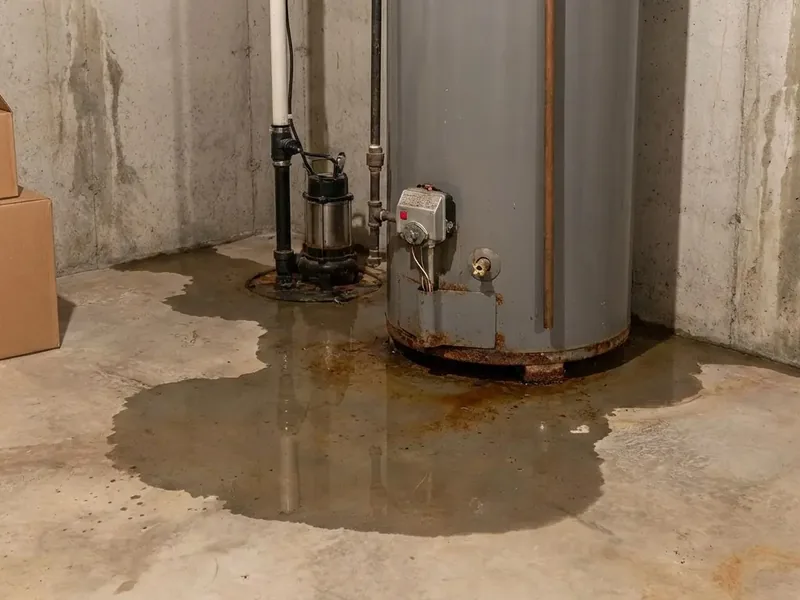
You've found water where it shouldn't be — around the base of your water heater, dripping from a valve, or spreading across the basement floor. What you do in the next ten minutes matters more than anything else. These five steps will stop the damage from growing and keep your household safe while help is on the way.
Step 1: Shut Off the Water Supply to the Heater
Find the cold water inlet valve — it's on the pipe entering the top of the tank, usually with a handle you turn clockwise (gate valve) or a lever you turn perpendicular to the pipe (ball valve). Closing it stops new water from feeding the leak. If that valve is seized or broken — common on older Wheaton installations — shut off the home's main water valve instead. It's usually near where the water line enters the house or by the water meter. This single action turns a potential flood into a contained puddle.
Step 2: Turn Off the Power or Gas
Electric water heater: Go to your breaker panel and switch off the breaker labeled for the water heater. Never let an electric unit run dry — exposed elements can burn out in minutes or overheat dangerously.
Gas water heater: Find the gas control valve on the front of the unit and turn the dial to PILOT or OFF. If you smell gas (rotten-egg odor), don't touch anything electrical — leave the house and call your gas utility's emergency line first, then call us at (833) 713-2101 once it's safe.
Our full emergency shutoff guide walks through each of these with more detail if you want to familiarize yourself before an emergency happens.
Step 3: Contain the Water and Protect Your Belongings
With the water off, the leak will slow dramatically. Mop up standing water, move boxes, rugs, and valuables away from the wet area, and put towels or a bucket under any remaining drip. If water reached a finished basement, pull back carpet edges and aim a fan at the area — fast drying is your best defense against mold. Take photos of everything before you clean: the leak source, the water spread, and any damaged belongings. Photos help enormously if you later file a homeowner's insurance claim.
Step 4: Figure Out (Roughly) Where It's Leaking From
You don't need a precise diagnosis — that's our job — but noting the general location helps us dispatch correctly. Is water coming from the top (fittings, inlet/outlet connections)? The side (TPR valve discharge pipe, drain valve)? Or the base (tank body itself)? Top and side leaks are often repairable valves or fittings. Water seeping from under the tank or through the jacket usually means the tank shell has failed and replacement is the safe fix. Jot down what you see and how fast it's coming.
Step 5: Call a Water Heater Specialist — Don't Wait
Call (833) 713-2101. Tell us what you found in steps 1–4: where the water is, whether it's gas or electric, and how old the unit is if you know the label date. For active leaks, we dispatch on an emergency basis across Wheaton and DuPage County. For slow drips you've contained, we'll schedule a prompt diagnosis visit. Either way, you'll talk to someone who handles water heaters every day — not a call center reading a script.
What NOT to Do
- Don't keep using hot water hoping the leak stops — every heating cycle adds pressure and heat to the weak point.
- Don't cap or plug a dripping TPR discharge pipe. That valve is protecting you from overpressure; blocking it is dangerous.
- Don't try to patch a leaking tank with sealants, epoxy, or clamps. Pressurized steel that's corroded through cannot be reliably repaired — it needs replacement.
- Don't drain the tank yourself unless a professional walks you through it. Draining a hot, pressurized, sediment-filled tank wrong can scald you or damage the unit further.
- Don't stand in standing water near the heater until the power is confirmed off at the breaker.
A leaking water heater feels like a crisis, but with the water off and the power or gas secured, it's a manageable problem with a clear fix. Take the five steps above, then let Water Heater Leak Repair Rescue handle the rest: (833) 713-2101, answered 24/7 across Wheaton and the surrounding DuPage County communities.
After the Technician Leaves
Once the leak is fixed or the new heater is in, do three things before you forget. First, find your new shutoff points — the heater's inlet valve, the breaker or gas control — and make sure everyone in the household knows where they are. Label them with a tag or marker. Second, note the install or repair date on the tank with a permanent marker and set phone reminders for annual flushing and anode rod checks; future-you will be grateful. Third, keep the area clear — boxes stacked against the heater hide leaks and block airflow, and stored chemicals corrode fittings. A water heater with breathing room, a known shutoff, and a maintenance reminder is a water heater that warns you politely instead of flooding you suddenly. Questions afterward? Call (833) 713-2101 anytime.
The first ten minutes after discovering a leaking water heater decide how bad the day gets, and the playbook is the same in every Wheaton basement. Don't panic — most leaks are slow, and you have time to think. For a small, steady leak: close the cold-water inlet valve above the heater to stop feeding it, then kill the fuel — turn the gas valve to off on a gas unit, or flip the dedicated breaker on an electric. For a major rupture with water spreading fast, skip the heater valves and go straight to the main house shutoff, usually on the basement's street-facing wall near the water meter. If you smell gas at any point, leave the house and call Nicor's emergency line from outside — no exceptions, no "let me just check."
While the water is stopping, protect what it hasn't reached. In Wheaton's finished basements — the rec rooms and offices so common in the area's ranches and colonials — move boxes, electronics, and furniture off the floor fast, because carpet wicks water shockingly far from the source. Towels buy time around the heater base; a bucket under a dripping valve contains the overnight hours. In winter, keep the basement from freezing if the heat is affected, and never touch electrical outlets, panels, or appliances standing in water.
After the Water Stops
Once the flow is controlled, document everything before cleanup: photos of the leak source, the water's path, and any damaged belongings. Your homeowner's insurance will want them, and memories fade faster than you'd think. Then call for service with useful facts ready — gas or electric, the tank's location and whether the basement is finished, what you've shut off, and where the water went. That thirty-second briefing is the difference between a technician arriving with the right parts and a diagnostic visit that becomes two trips.
Finally, make this the last emergency of its kind. A drain pan with a proper drain, a fifteen-dollar water alarm on the floor, and the install date written on the new tank in marker turn the next decade from a gamble into a plan. And if you're a Wheaton homeowner who winters elsewhere, add one more habit: show a trusted neighbor where the main shutoff is before you leave, because the cheapest leak is the one someone stops in hour one instead of week three.