Gas Control Valve Problems: Signs and Fixes
Published 2026-10-10
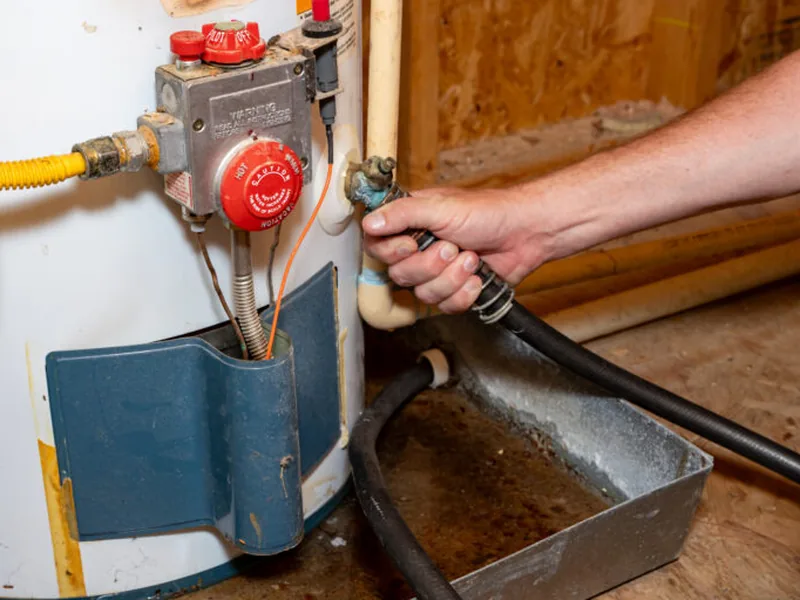
On a gas water heater, the gas control valve is mission control: it meters gas to the burner, holds the thermostat, manages the pilot, and includes safety shutoffs. When it malfunctions, you get everything from lukewarm water to a unit that won't fire at all — and in rare cases, a gas safety concern. Here's how to recognize gas control valve problems and what fixes actually work.
What the Gas Control Valve Does
The valve sits at the front-bottom of the tank, where the gas line enters. Inside one housing it combines: a thermostat (senses tank temperature via a probe), a gas regulator (meters fuel to the burner), pilot controls (lights and monitors the pilot flame), and safety devices including a thermocouple/thermopile connection that shuts gas off if the pilot goes out. It's a precision part — which is why it fails in specific, recognizable ways rather than randomly.
Signs of Gas Control Valve Problems
- No hot water with a lit pilot. The pilot's burning but the main burner never kicks on — the valve isn't opening the main gas path. Thermostat or internal valve failure.
- Burner won't stay lit / short cycling. The burner fires then drops out repeatedly. Can be the valve, but check the thermocouple first (see below).
- Water temperature swings wildly or the dial setting doesn't match actual temperature — thermostat portion failing.
- Gas smell near the valve. Any raw gas odor around the control valve is an immediate safety issue: don't operate the dial, ventilate, leave the area, and call your gas utility's emergency line, then us at (833) 713-2101.
- Visible damage or corrosion on the valve body, or water staining suggesting a leak has been dripping onto it.
- Clicking without ignition on units with electronic ignition — the valve may not be passing gas to the burner.
Rule Out the Simple Causes First
Before condemning the valve, check the usual suspects — valve replacements are pointless if the real problem is upstream:
- Thermocouple/thermopile: This flame sensor shuts off gas when the pilot goes out. A weak thermocouple mimics valve failure perfectly — pilot lights, then dies when you release the button. It's a cheap part and the first thing to test. (Our pilot light guide covers this in depth.)
- Gas supply: Is the gas shutoff valve to the heater fully open? Has service been interrupted? Other gas appliances working?
- Pilot orifice: A clogged pilot orifice makes a weak, lazy flame that won't properly heat the thermocouple — cleaning it often resolves "valve" symptoms.
- Venting/draft: Poor draft can cause rollout or shutdown issues that look like control problems.
When It's Really the Valve
If the pilot system, gas supply, and thermocouple all check out but the burner still misbehaves — won't fire, won't modulate, won't hold temperature — the valve itself has failed internally. Gas control valves are not field-repairable; the fix is replacement with the correct valve for your exact heater model. "Correct" matters: valves are matched to BTU rating, gas type (natural gas vs. propane — not interchangeable), and thermostat probe length. An incorrect valve is a safety hazard, not a bargain.
Our gas control valve replacement service includes full upstream diagnosis first (so you never pay for a valve you didn't need), the exact-match replacement valve, leak testing of all gas connections with proper detection methods, and burner/vent verification before we leave.
The Repair-vs.-Replace Calculation
A gas valve replacement is a mid-range repair — the part itself is a significant component, plus professional labor and testing. Apply the standard logic from our repair-or-replace guide: on a tank under ~8 years old with a sound shell, replacing the valve is usually smart money. On a 12-year-old tank with rusty water or a weeping seam, the valve cost is better put toward a new heater — because the tank will fail next, and you'll have paid twice. We'll give you the tank's honest condition assessment alongside the valve diagnosis so the math is clear.
Gas Safety: Non-Negotiable Rules
- If you smell gas, stop what you're doing. Don't flip switches, don't light anything, don't operate the valve dial.
- Ventilate only if you can do so without operating electrical devices — then leave.
- Call your gas utility's emergency line from outside the home.
- Never attempt to disassemble, adjust, or bypass a gas control valve. Internal gas-path work is strictly professional territory.
- After any gas valve service, insist on a witnessed leak check of every disturbed connection before the technician leaves.
Suspect your gas control valve? Don't troubleshoot gas paths yourself — call Water Heater Leak Repair Rescue at (833) 713-2101. We'll diagnose the full pilot-to-burner chain, replace the valve with the exact correct part if that's the problem, and verify everything safe before we go.
Preventing Gas Valve Problems
Gas control valves usually fail from age, heat cycling, or collateral damage — not neglect. Still, a few habits help: keep the area around the heater clean and dry (water dripping onto the valve from a leak above is a common killer — fix leaks early), don't store chemicals or pool supplies near the unit (corrosive vapors attack the valve and burner), and have the burner assembly inspected every couple of years so small issues get caught before they cascade. Never adjust the valve's internal settings yourself; the factory calibration is a safety parameter, not a preference. With reasonable care, the valve typically lasts the life of the tank — which is exactly why valve failure on an old tank usually means the tank's story is ending too.
Most Wheaton homes heat water with natural gas supplied by Nicor Gas, and at the heart of every gas tank heater sits the gas control valve — the combination thermostat and gas valve assembly that meters fuel to the burner. When it fails, the symptoms are distinctive: a pilot that won't stay lit even with a new thermocouple, a burner that never fires despite the tank going cold, or water temperatures that swing wildly. Because the valve controls both gas flow and temperature regulation, its failure modes can mimic thermostat problems, thermocouple problems, and pilot problems all at once.
Safety comes first with any gas component. A gas control valve is not a part to open up, adjust, or rebuild — it gets replaced as a sealed unit, and the gas line work around it demands care. If you ever smell gas near the heater — the rotten-egg odorant — don't try to diagnose anything: leave the house, and call Nicor's emergency line from outside. Relighting pilots and testing thermocouples is homeowner territory; anything involving disassembling gas connections is not.
When the Gas Valve Is the Real Culprit
Diagnosis is a process of elimination. If the pilot lights but won't stay lit, the thermocouple is the usual suspect and the cheaper fix. If a fresh thermocouple still won't hold the pilot, or the pilot stays lit but the main burner never kicks on, the gas control valve itself has likely failed — its internal thermostat or gas-metering mechanism wears out, particularly on heaters past the 10-year mark. Replacement valves must match the heater's BTU rating and gas type exactly, and the swap involves breaking and resealing gas connections, which is why it's normally a professional job.
There's also an age calculation worth doing. A gas control valve replacement on a 13-year-old heater buys you a working valve on a tank that's already past its design life — and tank failure, when it comes, is the catastrophic kind. Many Wheaton homeowners with heaters in that age range put the valve money toward a full replacement instead, especially since a new unit brings a fresh warranty, a new TPR valve, and compliance with current Illinois Plumbing Code requirements. After any gas work, verify the draft at the vent and confirm the home's carbon monoxide alarms are working — Illinois requires CO alarms, and any gas appliance service is the right moment to check them.