How Hard Water Damages Your Water Heater
Published 2026-10-10
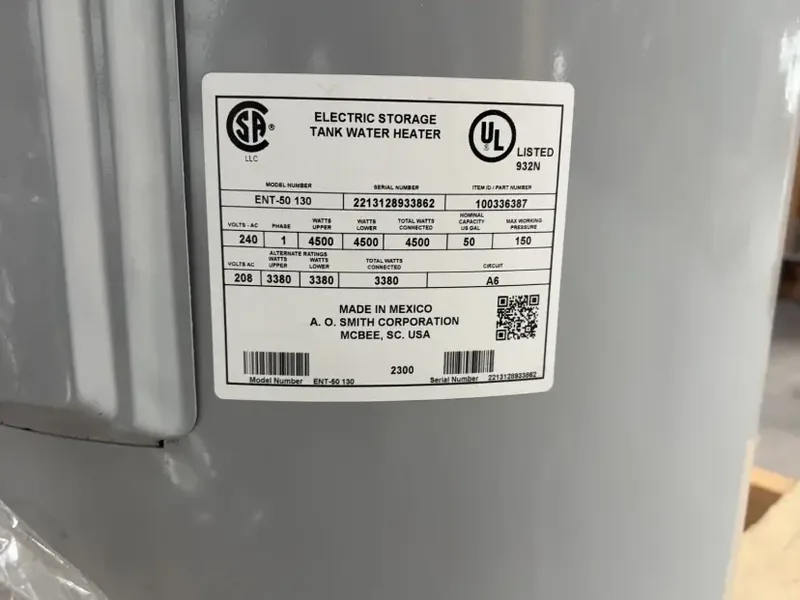
Wheaton's water is perfectly safe to drink — and quietly brutal on water heaters. Drawn from Lake Michigan and delivered through the DuPage Water Commission, it's classified as moderately hard, which means every gallon carries dissolved calcium and magnesium. Inside your water heater, heat turns those harmless minerals into the sediment, scale, and corrosion accelerant that shortens tank life. Here's exactly how hard water attacks your heater — and what fights back.
What "Hard Water" Means in Practice
Hardness is measured in grains per gallon (gpg) or parts per million. Wheaton-area water typically lands in the moderately hard range — hard enough to leave spots on glassware and scale in kettles, which means hard enough to matter inside a 140-degree tank. Heat is the catalyst: the hotter the water, the faster dissolved minerals precipitate out as solid scale. Your water heater is the hottest, most mineral-exposed appliance in the house — it's where hard water does its worst work.
Attack Vector 1: Sediment Blanket on the Tank Bottom
Precipitated minerals sink and bake onto the tank bottom into a crusty layer. This sediment blanket:
- Insulates water from heat — the burner or element must run longer and hotter to heat through it, wasting energy every cycle.
- Creates hot spots — trapped water under the sediment flashes to steam, producing the popping and rumbling Wheaton homeowners know well. Each steam pocket stresses the steel.
- Accelerates bottom corrosion — the overheated steel under sediment corrodes faster, and tank-bottom failure is the classic end of a neglected heater.
- Steals capacity — inches of sediment displace gallons of hot water, so the family runs out sooner.
- Kills drain valves — sediment packs into the valve body, which is why drain valves fail so often here.
Attack Vector 2: Scale on Heating Elements
On electric heaters, scale coats the elements directly — like an insulating jacket on the very part trying to make heat. Scaled elements overheat, draw more current, and burn out years early. The classic symptom: hot water that runs out fast or never gets fully hot, in a heater that's only a few years old. Our heating element replacement service sees this pattern constantly in DuPage County — elements baked in scale well before their time.
Attack Vector 3: Faster Anode Rod Consumption
Hard water doesn't just deposit minerals — its chemistry consumes the anode rod faster. A rod that might last seven years in soft water can be gone in three to four here. And once the rod is gone, the tank's steel is unprotected against the very corrosion the sediment is accelerating. It's a one-two punch: faster rod death plus more aggressive tank attack. Regular anode rod checks aren't optional in hard-water territory; they're the maintenance that matters most.
Attack Vector 4: Valve and Fitting Deterioration
Scale doesn't stay in the tank. It migrates into the TPR valve seat (causing weeping), the drain valve (causing seizure), supply-line fittings, and recirculation components. Hard water turns every valve in the system into a shorter-lived part. If your TPR valve drips and your drain valve is seized and your fittings show crust — that's not bad luck, that's one cause wearing many masks.
What Actually Fights Back
- Annual flushing. The single highest-value defense: drain sediment before it bakes into concrete. In Wheaton water, yearly isn't overkill — it's the baseline.
- Water softener. The structural fix. Softened water essentially stops new scale formation, extends anode rod and element life dramatically, and helps every water-using appliance in the house. It's the best longevity investment a hard-water homeowner can make.
- Lower temperature setting. 120°F (rather than 140°F+) slows mineral precipitation meaningfully while still serving household needs safely. Every 10 degrees matters.
- Anode rod schedule. Inspect every 2–3 years in hard water; replace on condition, not on hope.
- Descaling for tankless. Tankless owners: annual or biennial descaling flushes are mandatory in hard water — scale kills heat exchangers faster than it kills tanks.
Reading the Damage Already Done
If your heater is already rumbling, running out of hot water fast, weeping from valves, or showing rusty water, hard water has been collecting its toll for years. A professional assessment can tell you whether flushing and part replacement will recover the unit or whether the tank is past the point of sensible investment — our leak detection and tank assessment covers exactly this. And if replacement is the call, starting the new heater with a softener and a flush schedule means the next one lives the long life this one didn't get.
Questions about your water, your heater, or both? Call Water Heater Leak Repair Rescue at (833) 713-2101. We deal with hard-water damage every day across Wheaton and DuPage County, and we'll give you a straight read on what your heater needs.
Testing Your Water: Know Your Number
You don't need a lab to get useful data. Inexpensive hardness test strips from any hardware store give a grains-per-gallon reading in a minute — dip, wait, compare the color. Test both cold water at the tap and, if you're curious, the water coming from the heater's drain valve (expect it cloudier; that's the sediment talking). Knowing your number turns vague worry into a plan: moderately hard water means annual flushing is mandatory and a softener is worth pricing; very hard water means the softener conversation gets urgent, especially for tankless owners. Retest yearly — municipal blending changes seasonally. And if the strip shows extreme hardness plus your heater is already symptomatic, call (833) 713-2101 for an assessment before the next heating season does more damage.
Wheaton's water arrives from Lake Michigan via the DuPage Water Commission, and it tests at roughly 130 to 170 parts per million — about 7.5 to 10 grains per gallon, squarely in the "moderately hard" range. That's far from the liquid-rock well water you find in some Illinois counties, which is why many Wheaton homeowners assume hardness isn't their problem. But water heaters are where moderate hardness does its quiet damage: every gallon heated drops a little calcium and magnesium out of solution, and a family of four runs thousands of gallons through the tank each year. Over a decade, "moderate" adds up to inches of sediment.
The damage follows a pattern. Sediment settles into an insulating layer on the tank bottom, forcing the burner or lower element to fire longer and hotter to push heat through — you'll hear it as rumbling or popping as trapped water boils beneath the layer. Efficiency slides, recovery slows, and the overheated tank bottom stresses the glass lining and accelerates corrosion. In electric heaters, scale coats the elements directly, creating hot spots that burn elements out years early. None of this announces itself until the symptoms are well established.
Softeners, Filters, and What Wheaton Homeowners Actually Do
Water softeners are the standard Wheaton answer, and they work — softened water leaves virtually no scale in the tank. But there's a trade-off worth knowing: softened water is more aggressive toward sacrificial anode rods, dissolving magnesium rods noticeably faster. Softeners don't eliminate maintenance; they shift it from descaling to more frequent anode checks. Homes without softeners should simply commit to the alternative: a full annual flush, draining several gallons from the tank's drain valve until the water runs clear.
A cheap hardness test strip from a hardware store tells you where your home sits in that 7.5-to-10-grain range — houses closer to Wheaton's older mains or with partial softener bypass can run harder than the city average. Whatever your number, the maintenance prescription is the same: flush yearly, check the anode every two to three years, and keep the thermostat at 120 degrees, since higher temperatures precipitate scale faster. Moderate hardness is entirely manageable; it's only the ignored kind that kills heaters early.